🎨 ART

Explore drawing, painting, collage, ceramics and other artistic media.
🎵 MUSIC

Explore sound, rhythm, singing and instrument play.
🌀 DANCE & MOVEMENT
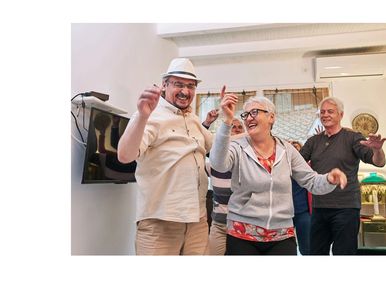
Explore movement, gesture and the body as avenues for creative expression.
✏️ WRITING
Explore poetry, imaginative writing, reflection and storytelling.
🎭 DRAMA
Explore storytelling, acting, role play, character development and monologues.

Dementia & Cognitive Change
Creative experiences can provide additional ways to participate, communicate and connect without depending entirely on verbal conversation.
Mental Health
Creative expression can be incorporated into individualized therapeutic support for emotional expression, connection and personal exploration.
Disabilities
Activities can be adapted around different abilities, communication styles, preferences and ways of participating.
Older Adults
Expressive experiences can provide opportunities for creativity, participation, reminiscence and social connection.
Creative Support
A person does not need previous arts experience to benefit from a person-centered space for creative exploration and expression.
Families, Groups & Communities
Programs can be developed for groups, communities and care settings seeking thoughtfully adapted creative experiences.
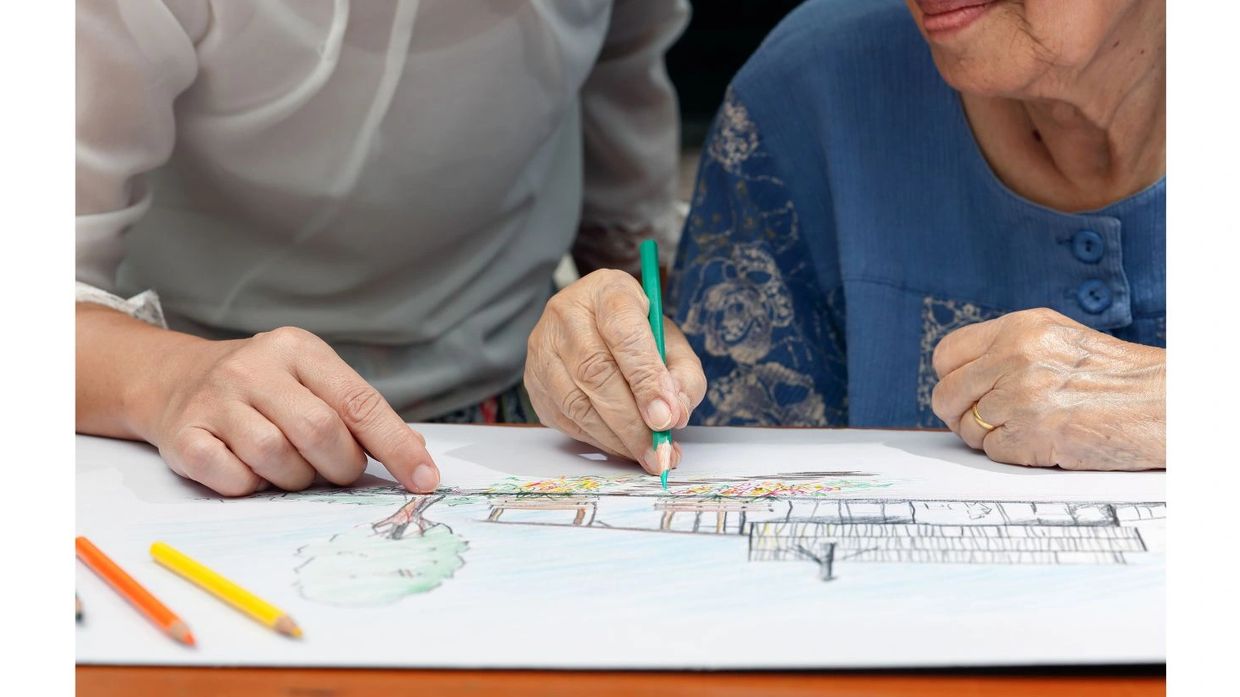
WHAT CAN A SESSION LOOK LIKE?
Additional Information
Every session is different. Activities are selected and adapted around the individual or group, including interests, abilities, communication style and therapeutic goals.
An experience may stay with one form of expression or move among several. Music may lead to movement. Storytelling may lead to acting. Poetry may inspire visual art. The creative process can develop in response to the participants.
That movement among modalities reflects examples in the earlier Clear Guidance material, including writing, movement, collage, clay, music, percussion, ceramics, visual art and role play.
Activities may include
- Instrument play
- Music and movement
- Poetry writing
- Creative writing and storytelling
- Acting and role play
- Creating characters or monologues
- Exploring artistic media
- Collage, clay and mixed-media projects
- Discussion and reminiscence
- Sensory exploration
- Collaborative art making
There Is No "Right" Way to Participate
Activities can be adapted around an individual's interests, abilities and ways of expressing and communicating.